
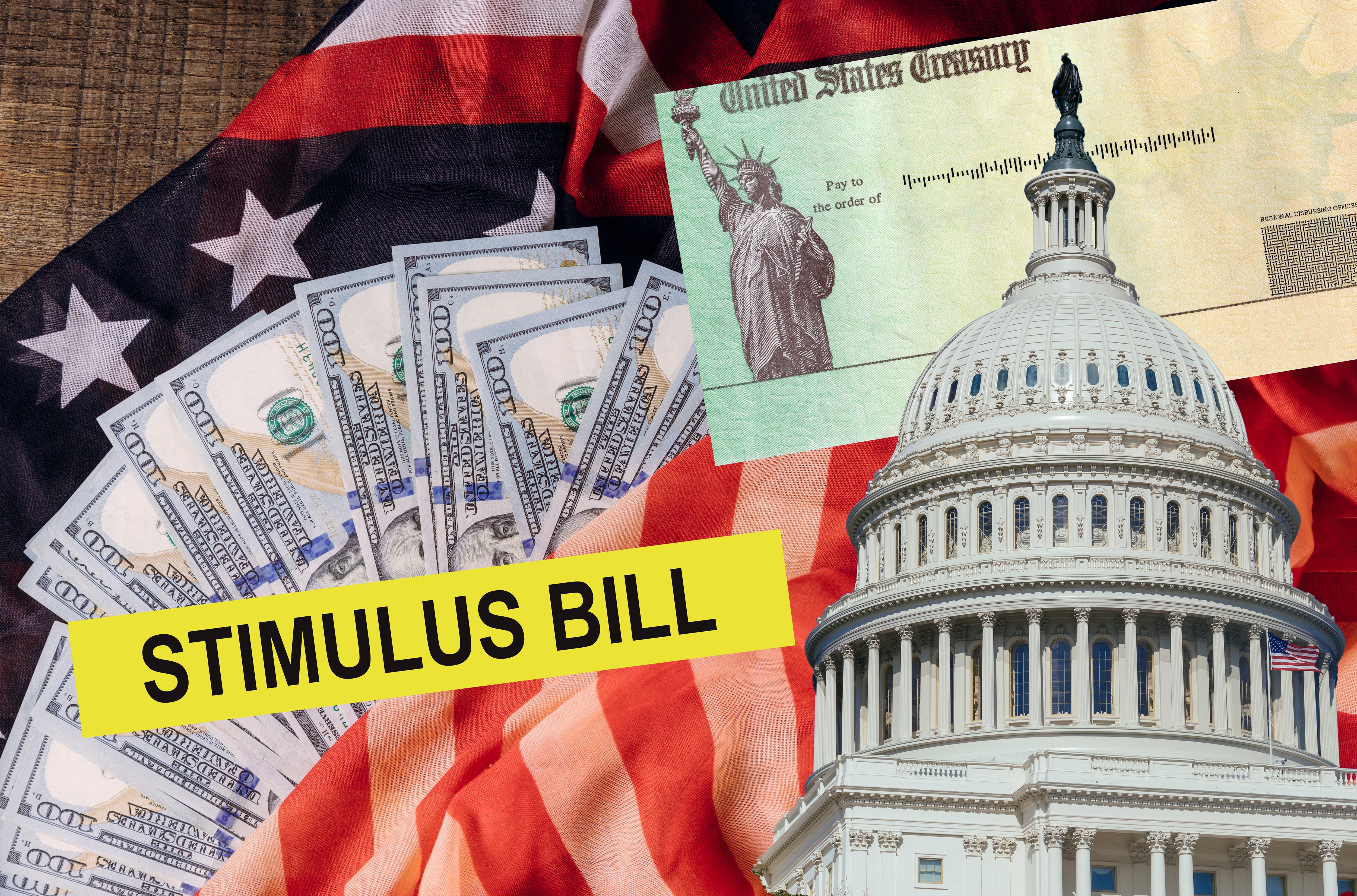

Stimulus bills are often at the center of economic policy debates, particularly during times of crisis. Proponents argue that government stimulus spending is essential to stabilize economies and support citizens, while critics raise concerns about potential drawbacks such as inflation and national debt.
This article explores the arguments on both sides of the stimulus debate, offering a balanced perspective to help readers understand the complexities of this contentious issue.
The Case for Stimulus Bills
1. Economic Stabilization During Crises
-
Stimulus bills inject money into the economy, boosting demand and preventing deeper economic downturns.
-
Example: Direct payments to households increase consumer spending, which helps businesses stay afloat and retain employees.
2. Job Preservation and Creation
-
Government spending on infrastructure and public works projects creates jobs and stimulates local economies.
-
Programs like payroll subsidies encourage businesses to retain employees, reducing unemployment rates.
3. Supporting Vulnerable Populations
-
Expanding social safety nets, such as unemployment benefits and housing assistance, provides a lifeline for individuals and families most affected by economic hardships.
4. Long-Term Investments
-
Stimulus bills often include funding for infrastructure, education, and technology, which contribute to sustained economic growth.
-
Example: Renewable energy projects funded by stimulus measures can reduce energy costs and create green jobs.
5. Preventing a Deflationary Spiral
-
In times of crisis, reduced spending can lead to falling prices, lower wages, and further economic contraction. Stimulus spending helps counteract this cycle.
The Case Against Stimulus Bills
1. Increased National Debt
-
Stimulus spending is typically financed through borrowing, which adds to the national debt. Critics argue this could burden future generations with higher taxes or reduced public services.
-
Example: The U.S. national debt surged following the COVID-19 stimulus packages.
2. Risk of Inflation
-
Large-scale spending can lead to inflation, reducing the purchasing power of money and eroding savings.
-
Example: Some economists attribute recent inflationary pressures to excessive government stimulus during the pandemic.
3. Inefficient Allocation of Funds
-
Critics argue that stimulus programs are prone to waste and mismanagement, with funds sometimes going to entities that don’t need them or failing to reach the intended recipients.
-
Example: Reports of fraud and misuse in programs like the Paycheck Protection Program (PPP).
4. Short-Term Focus
-
Stimulus bills often prioritize immediate relief over addressing systemic economic issues, such as income inequality or workforce training.
-
Critics contend that without structural reforms, stimulus spending offers only temporary fixes.
5. Dependency on Government Aid
-
Prolonged reliance on stimulus measures can discourage individuals and businesses from becoming self-reliant, potentially stalling long-term economic recovery.
Balancing the Pros and Cons
The effectiveness of a stimulus bill depends on several factors, including:
-
Timeliness: Swift action can mitigate economic damage, but delays reduce effectiveness.
-
Targeting: Programs should prioritize those most in need, avoiding blanket measures that dilute impact.
-
Scale: The size of the stimulus must match the severity of the economic challenge to be effective without causing undue harm.
-
Transparency and Accountability: Strong oversight mechanisms reduce waste and fraud.
Notable Historical Examples
The Great Depression and the New Deal
-
Pro: Created jobs and introduced lasting reforms like Social Security.
-
Con: Critics argue that increased regulation may have slowed private-sector recovery.
The 2008 Financial Crisis and ARRA
-
Pro: Helped stabilize financial markets and supported economic recovery.
-
Con: Critics claim the package was too small and implementation too slow to prevent prolonged unemployment.
The COVID-19 Pandemic and CARES Act
-
Pro: Delivered immediate relief to households and businesses, preventing widespread economic collapse.
-
Con: Critics highlight inefficiencies, such as funds going to large corporations instead of small businesses.
Conclusion
The debate around stimulus bills reflects broader ideological differences about the role of government in the economy. While stimulus measures can provide critical relief and drive recovery, they are not without risks and limitations. Policymakers must strike a careful balance between addressing immediate needs and ensuring long-term fiscal health.
For more in-depth discussions on economic policies and their impact, explore our website, where we provide expert analysis and perspectives on current and historical issues.